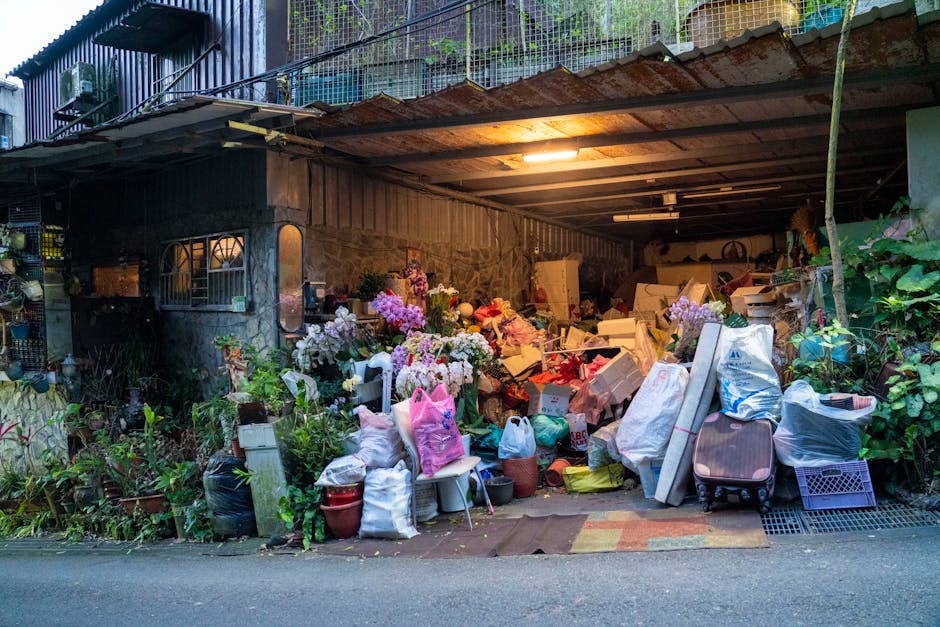
Real cost of clearing hoarded rubbish in Kensington

If you are trying to understand the real cost of clearing hoarded rubbish in Kensington, you are probably dealing with more than just "a bit of clutter". Hoarded rubbish tends to build up slowly, then all at once it becomes overwhelming: blocked rooms, difficult access, lingering smells, unsafe walkways, and a job that feels bigger every time you look at it. The price can vary a lot, and that is exactly why a clear, realistic breakdown matters.
This guide explains what drives the cost, what a proper clearance usually involves, where hidden expenses can appear, and how to judge quotes fairly. We will also look at the practical side of hoarded property clearance in a busy London borough like Kensington, where access, parking, and building layouts can make a surprising difference. Truth be told, the cheapest quote is rarely the real story.
Whether you are arranging help for a family member, managing a rental property, or trying to reclaim a home that has become too difficult to live in safely, this article will help you make sense of the process without the jargon.
- Why the cost matters
- How the clearance process works
- Practical benefits of a proper clearance
- Who this service is for
- Step-by-step guidance
- Expert tips for a smoother job
- Common mistakes to avoid
- Tools, resources and recommendations
- Law, compliance and best practice
- Options and comparison table
- Real-world example
- Practical checklist
- Frequently asked questions
Why Real cost of clearing hoarded rubbish in Kensington Matters
The cost matters because hoarded rubbish clearance is not the same as a standard tidy-up. You are not just paying for someone to "take things away". You are paying for labour, sorting, lifting, loading, transport, disposal charges, and often quite a bit of time spent navigating the property carefully and respectfully. In Kensington, that can be especially relevant because many homes have tight stairwells, shared entrances, controlled parking, or limited stopping space outside.
There is also a human side to it. A hoarded property can be emotionally charged. Families often delay action because they are worried about upsetting someone, or they do not know where to start. That delay can make the eventual clearance more complex. Bags may split, items may become damp, access can worsen, and what started as a moderate job can turn into a multi-stage operation.
The real cost therefore includes more than money. It includes time, stress, safety, and the practical effort needed to get a property back into usable shape. If you are comparing providers, you want to know whether the quote is for a simple load-and-go job or for a more careful, room-by-room clearance with sorting and checks. Those are very different things, even if the headline price looks similar.
Expert summary: the real cost is shaped by volume, access, sorting time, disposal type, urgency, and whether the property requires careful handling. In hoarded homes, labour and logistics often matter more than the weight of the waste.
It is also worth saying that a low quote can hide important exclusions. If a company has not accounted for difficult access, extra labour, or special disposal needs, the final bill can creep up later. Nobody enjoys that. Nobody.
How Real cost of clearing hoarded rubbish in Kensington Works
A proper hoarded rubbish clearance usually starts with an assessment. Sometimes that assessment is done with photos, sometimes in person. The aim is to estimate the amount of waste, the time needed, the number of staff required, and whether any items need special handling. A reputable provider will also think about loading access, parking, stairs, and whether the property includes fragile furniture, contaminated waste, or items that need separate disposal routes.
Pricing is often based on a combination of:
- Volume - how much space the rubbish occupies in the van or trucks.
- Labour time - how long sorting, carrying, and loading will take.
- Access difficulty - narrow hallways, upper floors, basement rooms, or no lift.
- Waste type - general household rubbish, old furniture, electrical items, or mixed material.
- Disposal costs - what has to be tipped, recycled, or processed separately.
- Urgency - same-day or out-of-hours work may cost more.
In practical terms, the cheapest jobs are the ones where the team can load safely and quickly. The more the team has to sort, carry, and negotiate obstacles, the more the price rises. That is not a rip-off; it is simply the reality of labour-heavy work.
A useful way to think about it is this: if a room is full of bagged rubbish already stacked near the door, the job is usually faster. If the same amount of material is spread across multiple rooms, down a corridor, and behind broken furniture, the job becomes slower and more expensive. The rubbish may be the same, but the working conditions are not.
For related clearance work that often comes up at the same time, you might also look at home clearance or house clearance if the property includes wider domestic clutter beyond hoarded rubbish. That can help you choose the right type of service instead of paying for the wrong one.
Key Benefits and Practical Advantages
People often focus on the price and forget the upside. A well-managed hoarded rubbish clearance can be a major reset. Not overnight magic, of course. But it can turn a cramped, stressful environment into a place where the next steps are possible.
- Safer living conditions: clear walkways reduce trip hazards and make it easier to move around the property.
- Better access for repairs: plumbers, electricians, decorators, and surveyors can actually get in and do the job.
- Less emotional pressure: when the mountain starts shrinking, decisions become easier.
- Improved hygiene: rubbish, food waste, damp packaging, and neglected items can create smell and pest issues.
- Faster property turnaround: important for sales, lettings, family handovers, or urgent repairs.
There is also peace of mind in using a service that understands the difference between casual tidying and proper waste removal. If a job includes old sofas, wardrobes, broken fittings, or mixed household items, a team used to furniture disposal can often manage those heavier pieces alongside the rubbish. That saves time and avoids the awkward "where does this go?" moment halfway through.
From an owner's perspective, the benefit is simple: a properly cleared property is easier to manage, inspect, insure, and hand over. From a tenant or family perspective, the benefit is more personal. You can breathe a bit easier. The place feels less stuck.
Who This Is For and When It Makes Sense
This kind of clearance is typically needed by people in a few very different situations, and that matters because the urgency and cost profile can change with each one.
- Family members helping a relative: often the most sensitive case, with emotional decisions and a need for patience.
- Landlords and letting agents: when a property needs to be made safe and presentable between occupiers.
- Homeowners preparing for renovation: hoarded items can stop tradespeople from starting work properly.
- Executors and estate managers: where the property needs a respectful, orderly clearance.
- Support workers or case coordinators: when a person needs practical help to regain control of their home.
It makes sense to arrange a professional clearance when the volume is too much for family or friends to handle safely, or when the contents include broken objects, sharp edges, heavy bags, or anything with unknown contamination. If a loft, garage, or storage space is also packed, you may need a combined approach. In those cases, services like loft clearance or garage clearance can be useful parts of the overall plan.
One small but important point: not every property full of rubbish is a "hoarding case" in the strict sense. Sometimes it is just accumulated clutter after illness, bereavement, moving stress, or years of postponing decisions. The service approach may be similar, but the sensitivity needed can be very different. A good team notices that. They really should.
Step-by-Step Guidance
If you want a realistic idea of the final price, the best thing you can do is approach the job in stages. It sounds simple. It is simple, though not always easy.
1. Walk through the property and identify the scale
Start by identifying which rooms are affected, how far the rubbish has spread, and whether key access routes are blocked. Take note of stairs, narrow corridors, broken furniture, or anything that could slow the team down.
2. Separate what should stay, if possible
If there are documents, valuables, medications, or personal items that must not be removed, set those aside before the clearance begins. Do not assume the team can spot everything instantly. A paper bag on top of a pile can be easy to miss when the room is packed wall to wall.
3. Get an itemised or clearly explained quote
A proper quote should explain what is included: labour, loading, disposal, van use, and any extra charges for difficult access or special waste. If a provider only gives a single vague figure with no breakdown at all, ask questions. You are allowed to do that.
4. Confirm access and parking arrangements
In Kensington, parking and access can influence the job more than people expect. If a team has to walk waste a long distance, use stairs repeatedly, or wait for a loading bay, labour time rises. That time has a cost.
5. Schedule the work in realistic phases
For heavy hoards, a staged clearance can be smarter than a single frantic visit. One visit may remove the worst of the waste, while a second visit deals with the remaining items after the property has been opened up and assessed properly.
6. Decide what happens after clearance
Sometimes rubbish removal is just step one. You may also need deep cleaning, repairs, painting, or further waste removal for leftover materials once the main clutter is gone. Planning that next stage early helps avoid delays.
Expert Tips for Better Results
After seeing many clearances go smoothly and a few go sideways, there are a handful of things that make a real difference.
- Ask how the quote is calculated. Volume, labour, and access should all be clear.
- Be honest about the condition. Hidden details almost always become visible on arrival, and then the price changes anyway.
- Photograph the worst areas. It is the quickest way to help a provider estimate correctly.
- Keep important items in one marked area. Labelled boxes help reduce accidental removal.
- Prioritise safety over speed. A rushed clear-out can cause damage or injury.
- Plan for emotions, not just logistics. That sounds soft, but it matters more than people expect.
One practical tip that often gets overlooked: if the property contains mixed materials, ask how sorting will be handled. For example, cardboard, metal, fabric, electricals, and general household waste may not all be treated the same way. A team with a structured approach can separate those streams more efficiently, which can help keep the overall cost sensible. That is where proper recycling and sustainability practices become more than just a nice phrase.
And yes, sometimes the best tip is simply to start. Even a tiny first step helps. Open one room. Clear one path. It sounds almost too basic, but it works.
Common Mistakes to Avoid
There are a few classic mistakes that can make hoarded rubbish clearance more expensive than it needs to be. Some are obvious in hindsight, which is annoying but true.
- Choosing on price alone: the lowest quote may exclude labour, access issues, or disposal complexity.
- Understating the amount of waste: if the scale is larger than described, the final cost may rise.
- Mixing keep and remove items together: this slows the crew down and increases the chance of mistakes.
- Leaving access problems unresolved: no parking plan, no lift access, no clear entry - all of that adds time.
- Ignoring safety risks: blocked exits, unstable piles, and mouldy or sharp waste can make a clearance hazardous.
- Assuming one visit will solve everything: some properties genuinely need a phased approach.
A less obvious mistake is expecting the work to feel emotionally simple. It often does not. If the property has been occupied by someone for years, every object can feel like a decision. That is why a rushed approach tends to backfire. Better to slow down a little and do it properly.
Tools, Resources and Recommendations
You do not need fancy tools to prepare for a clearance, but a few basic items can make life easier and save time on the day.
- Heavy-duty bin bags: useful for separating smaller loose waste in advance.
- Marker pens and labels: to mark keep, donate, recycle, or remove piles.
- Boxes or crates: handy for documents and items you want to protect.
- Gloves and sturdy footwear: sensible if you are sorting anything yourself.
- Phone camera: helps you document rooms for quotes and planning.
For some properties, it can also help to think about the clearance in categories rather than rooms. Old seating and damaged tables may fall under furniture clearance, while office-style paperwork or equipment from a home workspace may need a different approach such as office clearance. That may sound like a small distinction, but it often makes the logistics clearer.
When in doubt, ask for a service that explains what it will take away, what it will not take away, and how the waste will be handled. Clear answers now save awkward surprises later. That alone is worth something.
Law, Compliance, Standards, or Best Practice
Hoarded rubbish clearance can touch on health and safety, waste handling, and landlord or occupier responsibilities. It is wise to treat the job carefully. In the UK, waste should be handled by people who understand responsible disposal, and hazardous or specialist items need extra care. You do not need to be an expert yourself, but you should expect the provider to work safely and lawfully.
Best practice usually includes:
- Safe manual handling: lifting and carrying should be done without unnecessary risk.
- Proper segregation: mixed waste, reusable items, and specialist materials should not all be treated the same way.
- Clear communication: the customer should know what is included in the price.
- Respect for privacy and dignity: especially where the clearance involves sensitive personal circumstances.
- A sensible insurance and safety approach: important in buildings with shared access or delicate interiors.
If you are arranging this type of work for a property with other people living in it, or in a building with shared areas, it is worth checking how the team will protect hallways, door frames, and communal spaces. A tidy job is not just about what leaves the building. It is also about what gets left behind in good condition.
You can also review provider details such as health and safety policy and insurance and safety information if you want reassurance before booking. That sort of due diligence is boring, yes, but useful.
Options, Methods, or Comparison Table
There is no one-size-fits-all approach. The right method depends on the scale of the hoard, the urgency, and the property condition. Here is a simple comparison to help you think it through.
| Option | Best for | Pros | Trade-offs |
|---|---|---|---|
| DIY clearance | Very small, low-risk clutter | Lowest direct cost | Slow, physically demanding, risky if the waste is heavy or contaminated |
| Family and friends help | Moderate clutter with emotional support needed | Personal, flexible, low immediate outlay | Can become stressful, inconsistent, and unsafe in larger jobs |
| Professional partial clearance | Rooms that need targeted help | Focused, efficient, easier to budget | May need follow-up visits |
| Full specialist clearance | Severe hoarding or blocked access | Safer, faster, more structured | Highest overall cost, but usually the most realistic option |
If the property is an apartment or upper-floor home, a flat clearance model may be more suitable than a standard quick removal. If there are mixed domestic and storage areas involved, you may end up combining several services rather than choosing just one. That is normal.
Case Study or Real-World Example
Here is a realistic example. A Kensington flat has two rooms heavily affected by hoarded rubbish, plus a hallway that still needs to remain passable for the resident. There are old bags, broken small furniture pieces, cardboard, and a few items that need checking before removal. Access is via a narrow staircase, and parking outside is limited.
On paper, it sounds like a straightforward waste collection. In practice, it is not. The team has to protect the communal route, carry items carefully downstairs, sort reusable or special items from general waste, and work around the access restrictions. The labour element becomes the main cost driver, not just the amount of rubbish.
What usually helps in a case like this is a phased approach. First, the worst blockage is removed so the property is safer and easier to move around. Then the remaining material can be cleared in a second visit after the rooms are more accessible. The final price is often lower than trying to force everything into one rushed appointment, because the work becomes safer and more organised. That is the sort of thing people only realise after the first stressful afternoon has passed.
If there is damage to furniture or bags of mixed waste in a garage or storage space, services like home clearance and garage clearance can help create a sensible order of work. The main lesson? Clear the access first. Everything else gets easier after that.
Practical Checklist
Use this checklist before asking for a quote or booking a visit.
- Identify which rooms or areas are affected.
- Take photos of the worst spaces from a few angles.
- Set aside documents, valuables, medication, and sentimental items.
- Check whether the property has stairs, lifts, narrow hallways, or parking constraints.
- Decide whether you need a partial clearance or a full clearance.
- Ask what is included in the price.
- Confirm whether special items or heavy furniture may cost extra.
- Plan what happens after the rubbish is removed.
- Make sure entry arrangements are clear on the day.
- Keep the aim realistic: safety and access first, perfection later.
It sounds simple, but a checklist like this saves more headaches than you would think. Sometimes the difference between chaos and a manageable job is just a bit of preparation.
Conclusion
The real cost of clearing hoarded rubbish in Kensington depends on far more than the size of the pile. Labour, access, sorting, disposal, safety, and urgency all shape the final price. In many cases, the biggest cost driver is not the rubbish itself but the time and care needed to remove it safely and respectfully.
If you are planning a clearance, the smartest move is to get a clear explanation of what is included, share honest photos or a realistic description, and think ahead about access and follow-up work. A well-planned clearance is usually calmer, cleaner, and better value than a rushed one. And frankly, after dealing with months or years of buildup, calm is no small thing.
If you want practical, local help with sensitive clearance work, start by reviewing the service information and making sure the provider's approach feels clear, safe, and straightforward.
Get a free quote today and see how much you can save.
Frequently Asked Questions
How much does hoarded rubbish clearance usually cost in Kensington?
There is no single fixed price, because the cost depends on volume, access, labour time, and the type of waste. A small, accessible job is usually far cheaper than a cluttered flat with stairs, sorting, and multiple room clearances.
What makes a hoarded rubbish clearance more expensive?
Difficult access, heavy items, blocked hallways, mixed waste, and the need for careful sorting all increase the time required. In Kensington, parking and loading restrictions can also add to the cost.
Can I get a cheaper quote by moving some items myself first?
Yes, often you can. If you can safely create clear access routes and separate keep items from remove items, the job may take less time. Just do not risk injury or rush through sharp, damp, or unstable piles.
Is hoarded rubbish clearance the same as a standard waste removal job?
No. Standard waste removal is usually quicker and simpler. Hoarded rubbish clearance often involves more labour, more sorting, and a more sensitive approach because the property is harder to access and the circumstances may be personal.
How long does the work usually take?
It depends on the size of the property and the level of buildup. Some jobs take a few hours, while more serious clearances may need a full day or several visits. The more blocked the rooms are, the longer it usually takes.
Do I need to be present during the clearance?
Not always, but it is often helpful at the start if there are items that must stay. If you cannot be there, make sure access instructions and keep/remove guidance are very clear beforehand.
What happens to the rubbish after it is removed?
It should be taken for appropriate disposal, recycling where possible, and separate handling if any items need special treatment. A responsible provider should be able to explain the process plainly.
Can a clearance be done in a flat or upper-floor property?
Yes, but access affects the price and the time needed. Flats with stairs, lifts, or shared entrances usually need more planning than ground-floor properties.
Is it safe to clear hoarded rubbish myself?
Only if the job is small and low-risk. Large hoards can hide sharp objects, mould, unstable stacks, or heavy items. If there is any doubt, it is safer to use a professional team.
What should I ask before accepting a quote?
Ask what is included, whether labour and disposal are covered, how access affects the price, and whether there are extra charges for heavy or specialist items. A clear answer now is worth a lot later.
Can a clearance be split into stages to manage cost?
Yes, and in many cases that is the most sensible approach. A staged clearance can make the job safer, easier to budget, and less overwhelming emotionally.
How do I know if a provider is trustworthy?
Look for clear communication, sensible questions during assessment, and straightforward explanations about safety, disposal, and pricing. If the answer feels vague or hurried, trust your instinct and keep looking.
For more context about who is behind the service and how the work is handled, you can also review the company's about us page, explore pricing and quotes, or get in touch through the available contact details when you are ready. If you are comparing broader domestic services, a look at house clearance can also help you understand how a full property clearance differs from a more targeted rubbish removal job. Small step, but a useful one.